


Understanding Neem Honey Pricing Factors: What Shapes the Cost of This Natural Treasure
- Jidnesh Doshi

- Apr 6
- 4 min read
When we think about honey, we often imagine a golden, sweet delight that nature gifts us. Among the many varieties, neem honey stands out for its unique flavor and remarkable health benefits. But have you ever wondered what influences the price of this special honey? Today, let's explore the factors that shape neem honey pricing and understand why its cost varies from one jar to another.
Exploring the Key Neem Honey Pricing Factors
Neem honey is not just any honey. It is harvested from bees that collect nectar primarily from neem trees, known for their medicinal properties. This distinct origin plays a significant role in its pricing. Here are some of the main factors that influence neem honey prices:
Source and Purity: The purity of neem honey is crucial. Pure, raw neem honey, free from additives or blends, commands a higher price because it retains all its natural enzymes and nutrients.
Harvesting Methods: Traditional, manual harvesting methods that ensure the honey remains raw and unprocessed tend to increase costs. These methods require more labor and care.
Seasonal Availability: Neem trees bloom during specific seasons, limiting the availability of nectar. This seasonal nature means that neem honey is often produced in smaller quantities, affecting its price.
Geographical Location: The region where the honey is harvested impacts its cost. Areas with abundant neem trees and healthy bee populations produce better yields, sometimes at a lower cost.
Packaging and Branding: Premium packaging and trusted brands that emphasize quality and authenticity can add to the price, reflecting the value they provide to consumers.
Understanding these factors helps us appreciate the journey of neem honey from the hive to our tables and why its price reflects more than just sweetness.
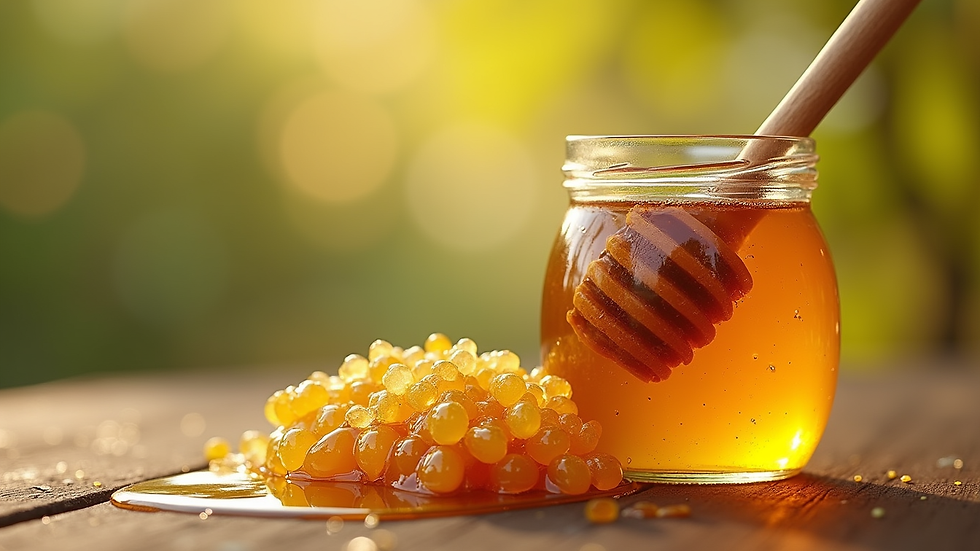
Pure neem honey harvested from traditional hives
The Role of Quality and Authenticity in Pricing
Quality is the heart of neem honey pricing. When we choose neem honey, we seek not only its taste but also its health benefits. Authentic neem honey is raw, unfiltered, and free from artificial additives. This authenticity requires careful handling:
Testing and Certification: Genuine neem honey often undergoes laboratory testing to confirm its purity and medicinal properties. These tests add to the production cost.
Avoiding Adulteration: Unfortunately, honey adulteration is common in the market. Ensuring that neem honey is free from sugar syrups or other fillers demands strict quality control.
Storage Conditions: Proper storage to maintain freshness and prevent crystallization or fermentation is essential. This care influences the final price.
By investing in quality, producers ensure that we receive the full benefits of neem honey, justifying a higher price point.
What is the cost of 1 kg of honey?
The cost of 1 kg of neem honey can vary widely depending on the factors we've discussed. On average, pure neem honey ranges from $20 to $50 per kilogram. This range reflects differences in:
Harvesting region: Honey from remote or less accessible areas may cost more due to transportation.
Seasonal yield: Limited production seasons can drive prices up.
Processing level: Raw, unprocessed honey is generally more expensive than processed varieties.
For those seeking the best value, it’s wise to look for transparent sellers who provide detailed information about their honey’s origin and processing.

Bees gathering nectar from neem blossoms during the blooming season
How Environmental and Ecological Factors Influence Prices
The environment plays a silent but powerful role in shaping neem honey prices. Healthy ecosystems support thriving bee populations and abundant neem trees, which in turn affect honey production:
Climate Conditions: Weather patterns such as rainfall and temperature influence neem tree flowering and nectar availability.
Bee Health: Pesticide use and habitat loss can reduce bee populations, limiting honey production and increasing prices.
Sustainability Practices: Ethical beekeeping that protects bees and their habitats may cost more but ensures long-term availability of quality honey.
By supporting sustainable honey production, we contribute to preserving nature’s balance and enjoy honey that is both delicious and responsibly sourced.
Tips for Choosing Quality Neem Honey Without Overpaying
Navigating the market for neem honey can be tricky, but with a few simple tips, we can make informed choices:
Check for Raw and Pure Labels: Look for honey labeled as raw, unfiltered, and pure neem honey.
Ask About the Source: Reliable sellers will share information about the honey’s origin and harvesting methods.
Compare Prices Thoughtfully: Extremely low prices may indicate adulteration, while very high prices don’t always guarantee quality.
Read Reviews and Testimonials: Feedback from other buyers can provide insights into the honey’s authenticity and taste.
Consider Small Local Producers: They often offer fresher, more authentic honey with transparent sourcing.
By following these steps, we can enjoy neem honey that nourishes our bodies and delights our palates without breaking the bank.
Embracing the Value Behind Neem Honey Pricing
The journey of neem honey from flower to jar is a story of nature’s generosity and human care. When we understand the factors influencing its price, we appreciate the dedication behind every drop. Whether it’s the limited blooming season, the purity of raw honey, or the sustainable practices of beekeepers, each element adds value.
If you’re curious about the current neem raw honey price, exploring trusted sources can reveal the true worth of this natural treasure. Let’s celebrate neem honey not just as a sweetener but as a wholesome gift that supports our health and the environment.
Together, we can savor the richness of neem honey while honoring the delicate balance that makes it possible.

Comments